Our Collection
Explore our full range of premium, lab-tested extracts.
From full spectrum to broad spectrum,
CBD, CBG, & CBN.
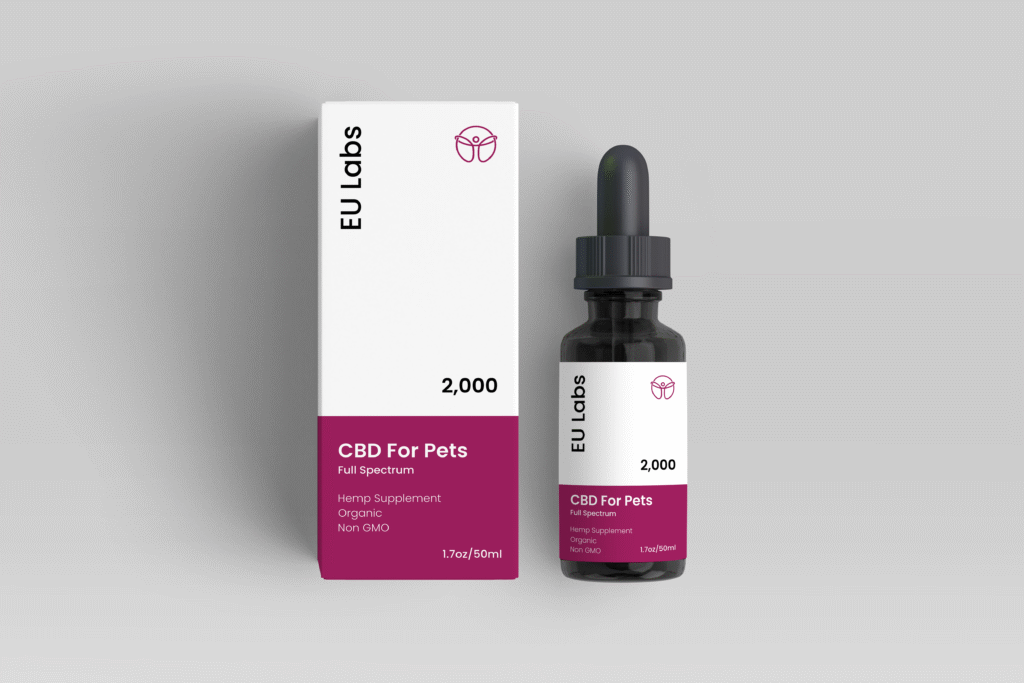
CBD Oil for Dogs: A Comprehensive Guide for Pet Owners
Your dog's quality of life matters. Whether you're watching your aging companion struggle with mobility, noticing heightened anxiety during thunderstorms, or seeking complementary support for chronic health conditions, the search for safe, effective solutions can feel overwhelming. In recent years, CBD Oil for dogs has emerged as a promising option in the pet wellness space, backed by evolving research and growing acceptance from veterinarians across Australia and worldwide.
This comprehensive guide explores cannabidiol therapy for dogs and cats through a science-informed lens, helping you understand how these cannabis-derived compounds work, when they might be beneficial, and how to navigate the rapidly expanding marketplace with confidence.
Understanding CBD in Dogs: How Cannabis-Derived Compounds Work
Cannabidiol, commonly known as CBD, represents a naturally occurring compound derived from hemp and cannabis plants. Unlike its psychoactive counterpart tetrahydrocannabinol (THC), CBD Oil for pets does not produce mind-altering effects, making it suitable for animal use when properly formulated.
Dogs and cats possess an endocannabinoid system similar to humans—a complex cell-signaling network that helps regulate various physiological processes including pain sensation, immune response, mood, and inflammation. Research shows CBD interacts with receptors throughout this network, potentially influencing these critical functions. Cornell University College of Veterinary Medicine has been at the forefront of studying how CBD affects these systems in companion animals.
Recent studies from 2024 indicate that cannabinoid receptors in dogs are particularly concentrated in the brain, nervous system, and immune organs. This distribution pattern explains why CBD Oil may affect multiple body systems simultaneously, from neurological function to inflammatory responses.
The key distinction between products matters significantly: hemp Oil extracted from Cannabis sativa contains negligible amounts of psychoactive compounds (under 0.3% in compliant products), while maintaining beneficial cannabinoid content. This threshold ensures therapeutic potential without intoxication risks.
Uses and Efficacy: Benefits of CBD Oil for Pets
Managing Joint Pain and Mobility Issues
Musculoskeletal conditions affect approximately 20% of adult dogs and up to 90% of senior canines, according to 2025 veterinary health statistics. Conditions like joint inflammation and osteoarthritis remain among the most common sources of chronic discomfort in aging pets, significantly impacting their daily activities and overall happiness.
Emerging clinical evidence suggests CBD for dogs may offer meaningful support for pets experiencing reduced mobility. A study from Cornell University's College of Veterinary Medicine published in 2024 found that dogs with osteoarthritis experienced measurable improvements in comfort levels and activity compared to placebo groups. Many pet owners reported enhanced willingness to engage in physical activity and reduced signs of discomfort during movement.
The proposed mechanism involves CBD's interaction with inflammatory pathways and pain receptors. By potentially modulating these systems, the compound may help manage the inflammation and discomfort associated with degenerative joint conditions, with minimal side effects reported in clinical studies.
CBD to Treat Anxiety in Dogs and Support Your Pet's Wellbeing
Behavioral stress affects millions of dogs annually, manifesting through separation anxiety, noise phobias, or general nervousness. Traditional pharmaceutical interventions can be effective but sometimes come with sedation or other unwanted effects that impact a pet's personality and energy levels.
Research from the University of Western Australia, released in early 2025, examined the effects of CBD in dogs with anxiety behaviors. The findings suggested that regular supplementation might help reduce stress responses in pets prone to anxiety, particularly in response to environmental triggers like loud noises or unfamiliar situations. Dogs studied showed a decrease in stress markers during previously challenging events.
Pet owners in these studies noted improvements in their dogs' ability to remain calm during stressful events, without the sedated appearance sometimes associated with conventional anti-anxiety medications. The compound appears to calm anxiety and support normal responsiveness, allowing dogs to maintain their natural personality.
Supporting Neurological Health: Reducing Frequency of Seizures
Perhaps one of the most studied applications involves neurological support, particularly for dogs experiencing seizure disorders. Epilepsy affects roughly 0.75% of the canine population, and while conventional anticonvulsant medications work for many dogs, some cases remain difficult to manage.
Colorado State University researchers conducting trials through 2024 documented that CBD supplementation, when used alongside traditional seizure medications, was associated with reduced frequency of seizures in some participating dogs. The study showed that CBD can also provide neuroprotective benefits. While CBD should never replace prescribed anticonvulsant therapy, it may serve as a complementary approach when veterinarians prescribe CBD Oil under proper medical supervision.
Enhancing Appetite and Digestive Comfort
Dogs recovering from illness, undergoing medical treatments, or experiencing age-related appetite decline may benefit from CBD's potential effects on digestive comfort and food interest. The endocannabinoid system plays a role in regulating hunger signals and gastrointestinal function, and some pets can benefit from CBD in this context.
While research in this specific area remains limited compared to pain and anxiety studies, anecdotal reports from veterinarians suggest that some dogs show improved appetite and reduced nausea when taking CBD supplements. This application shows particular promise for dogs in palliative care or those recovering from surgical procedures.
Choosing High-Quality CBD Oil: What Veterinarians Recommend
When it comes to CBD products for pets, quality varies dramatically. Understanding what distinguishes superior formulations from inferior ones protects both your investment and your pet's safety. CBD vets Australia and internationally emphasize the importance of selecting pure CBD from reputable sources.
Source Matters: Organic Hemp Cultivation
Premium CBD products begin with responsibly cultivated hemp. Plants grown in contaminated sOil can absorb heavy metals, pesticides, and other toxins that concentrate in the final extract. Look for CBD Oil for pets sourced from organically certified hemp farms that employ sustainable agricultural practices.
Geographic origin provides clues about regulatory oversight. Hemp grown in regions with established quality standards—such as the United States, Canada, or European Union countries—typically undergoes more rigorous cultivation monitoring than crops from areas with minimal agricultural oversight.
Extraction Methods and CBD Product Purity
The process used to extract cannabidiol from plant material significantly impacts final product quality. CO2 extraction, while more expensive, produces cleaner extracts compared to solvent-based methods. This technique avoids chemical residues that cheaper extraction processes might leave behind.
Full-spectrum extracts contain multiple cannabinoids and plant compounds that may work synergistically, while isolate products contain pure CBD alone. Broad-spectrum CBD offers a middle ground—multiple beneficial compounds without detectable psychoactive content. Different CBD products serve different therapeutic purposes.
Third-Party Laboratory Verification
This represents perhaps the most critical quality indicator. Reputable manufacturers submit every product batch to independent laboratories for comprehensive testing. These analyses verify cannabinoid concentrations, confirm the absence of contaminants, and ensure psychoactive compound levels remain under legal thresholds.
Certificates of Analysis (COAs) should be readily accessible—either included with products or available through QR codes or company websites. These documents provide transparency about exactly what you're giving your pet. Be wary of companies that cannot or will not provide current testing documentation.
Recent consumer protection investigations in 2024 revealed that approximately 30% of CBD products tested contained significantly less active compound than labels claimed, while others contained unacceptable contaminant levels. This statistic underscores the importance of choosing manufacturers committed to transparency and quality assurance.
How to Use CBD Oil: Dosage and Administration Guidelines
Starting CBD Supplementation Safely
Introducing any new supplement requires a thoughtful, methodical approach. When you use CBD Oil for your pet, therapy works best when integrated gradually into your dog's routine, allowing you to observe responses and adjust accordingly.
Determining Appropriate CBD Doses
Dosing recommendations have evolved as research expands. Current veterinary guidelines from 2025 suggest starting with conservative amounts of CBD based on body weight—typically 0.2 to 0.5 mg per kilogram. For a 20-kilogram dog, this translates to approximately 4 to 10 mg as an initial dose.
Several factors influence optimal dosing beyond simple weight calculations. Age, metabolic rate, the specific condition being addressed, and individual sensitivity all play roles. Senior dogs with reduced liver function may require lower amounts than younger, healthy dogs of the same size. Larger dogs typically require higher CBD doses, though the relationship isn't always linear.
The "start low and go slow" principle applies universally. Begin at the lower end of recommended ranges and maintain that amount consistently for 7 to 14 days before considering increases. This patience allows the compound to build up in your pet's system and lets you accurately assess effects. Always consult with your veterinarian before adjusting dosage.
Administration Methods: Mixing CBD Oil with Food
CBD products for dogs typically come in several formats, each with advantages:
- Tinctures and Oils offer precise dosing flexibility. These can be administered directly into your dog's mouth using the included dropper, or you can mix CBD Oil with food. Direct oral administration may provide faster absorption, while food mixing improves palatability for picky eaters.
- Treats and chews provide convenience and appeal to food-motivated dogs. However, dosing precision may be less exact compared to liquid formulations, particularly for very small or very large dogs who may require partial or multiple treats.
- Capsules suit dogs who readily accept pills and provide consistent dosing, though they take longer to break down compared to liquid forms.
- Topical formulations exist for localized application to specific areas like skin conditions or areas with itching, though systemic absorption through canine skin remains limited compared to oral administration.
Timing and Consistency
CBD works best when given consistently at regular intervals. Unlike as-needed medications, cannabinoid therapy typically requires daily administration to maintain steady blood levels and maximize potential health benefits.
Most veterinarians recommend splitting daily amounts into two doses (morning and evening) rather than giving the full amount once daily. This approach maintains more stable compound levels throughout the 24-hour period.
Allow four to six weeks of consistent use before drawing conclusions about effectiveness. While some dogs show rapid improvement, others require longer timeframes for noticeable changes to emerge.
Monitoring and Adjusting
Keep a simple log documenting your dog's dose, timing, and any observed changes in behavior, mobility, or the specific concern you're addressing. This record proves invaluable for identifying subtle improvements and helps veterinarians make informed recommendations during wellness visits.
Signs that dosage adjustment may be needed include:
- No observable improvement after six weeks at current dose (may need increase)
- Excessive drowsiness or lethargy (may need decrease)
- Digestive upset (may need format change or decrease)
- Gradual tolerance development over months (may need adjustment or product rotation)
CBD vs Hemp Oil: Understanding Different Products for Pets
Confusion between different cannabis-derived products frustrates many pet owners. Understanding these distinctions helps ensure you're purchasing products that match your intentions when looking at CBD options.
Cannabidiol Oil: Therapeutic Focus
True CBD Oil for dogs contains significant concentrations of the active cannabinoid compound, typically ranging from 150 to 1,000 mg per bottle. These products are specifically formulated to provide therapeutic amounts of cannabidiol and are extracted from the flowers, leaves, and stems of mature hemp plants where cannabinoid concentration is highest.
These formulations target specific health applications—pain management, anxiety reduction, seizure support—and require precise dosing based on a dog's weight and condition. Many veterinarians recommend CBD Oil containing higher concentrations for treating dogs with serious conditions.
Hemp Oil: Nutritional Supplement
Hemp Oil comes from pressed seeds of the Cannabis sativa plant. While nutritionally valuable—rich in omega-3 and omega-6 fatty acids, vitamin E, and minerals—these Oils contain virtually no cannabidiol. Seeds don't produce cannabinoids in measurable amounts.
Hemp Oil serves as an excellent coat and skin supplement, supporting cardiovascular health and providing anti-inflammatory nutrients. However, it won't deliver the specific effects people seek when they want to use CBD for therapeutic purposes.
This distinction matters enormously. Some less scrupulous manufacturers market hemp seed Oil as "hemp Oil for dogs" without clarifying the lack of CBD content, capitalizing on consumer confusion. Always check product labels for actual cannabinoid content listed in milligrams—not just "hemp extract" or vague terminology.
Side Effects of CBD and Safety Guidelines from Your Vet
CBD demonstrates a favorable safety profile in dogs when used appropriately. However, responsible use requires understanding both the compound's safety parameters and the importance of professional veterinary guidance.
Understanding Possible Side Effects
Research indicates that dogs generally tolerate CBD well, even at relatively high doses. Studies conducted through 2024 found that adverse effects remain mild and uncommon when quality products are used at recommended amounts.
The most frequently observed possible side effects include:
- Temporary drowsiness or increased sleep (particularly when first starting or after dose increases)
- Dry mouth, manifesting as increased water consumption
- Mild digestive changes in sensitive dogs
- Temporary blood pressure reduction
Serious adverse reactions are rare but have occurred in cases involving extremely high doses or products contaminated with psychoactive compounds exceeding legal limits. When giving dogs CBD, following proper dosing guidelines and choosing tested products minimizes risks. The minimal side effects reported make CBD an attractive option for many pet owners.
How CBD Might Affect Drug Interactions
CBD can interact with certain medications by affecting liver enzymes responsible for drug metabolism. CBD affects how the body processes various pharmaceuticals. Dogs taking prescription medications—particularly anticonvulsants, blood thinners, immunosuppressants, or certain pain medications—require veterinary consultation before starting CBD supplementation.
Your veterinarian may recommend dose adjustments to existing medications, staggered administration times, or enhanced monitoring if they approve concurrent use. Never adjust prescribed medication doses independently when adding CBD to your dog's regimen.
When to Consult with Your Veterinarian
While CBD products are widely available without prescriptions in many regions, professional veterinary guidance optimizes safety and effectiveness. Before you try CBD, consultation becomes particularly important when:
- Your pet has diagnosed medical conditions requiring ongoing treatment
- You're considering CBD for serious issues like seizures or severe arthritis
- Your pet takes multiple medications
- You observe any unexpected responses after starting supplementation
- Your pet is pregnant, nursing, or very young
Veterinarians with knowledge of cannabinoid therapy can provide dosing recommendations specific to your pet's health status, help monitor for interactions, and adjust treatment plans based on response. Many professionals now recommend CBD Oil as part of integrative treatment plans.
The regulatory landscape for veterinary CBD recommendations has evolved significantly. As of 2025, veterinarians across Australia and in many other regions have greater latitude to discuss and prescribe CBD Oil compared to even two years prior, though specific regulations vary by jurisdiction.
The Future of CBD Wellness for Pets
The pet CBD industry continues evolving at a remarkable pace. Understanding emerging trends helps pet owners anticipate changes and make forward-thinking decisions about their companion's wellness.
Advancing Research and Clinical Trials
The past three years have seen a surge in rigorous scientific investigation into cannabinoid therapy for animals. University veterinary programs, pharmaceutical companies, and independent research organizations are conducting randomized, controlled studies that move beyond anecdotal reports toward evidence-based recommendations.
Research published in early 2025 from institutions including Cornell University, Colorado State University, and European veterinary colleges has begun establishing more precise dosing protocols, identifying which problems can CBD address most effectively, and characterizing the compound's pharmacokinetics in dogs.
This expanding evidence base is gradually shifting CBD from alternative therapy toward mainstream integrative veterinary medicine. Leading veterinary organizations are developing practice guidelines to help clinicians incorporate cannabinoid recommendations into treatment plans appropriately. Studies have shown that CBD offers benefits of cannabidiol therapy with favorable safety profiles.
Regulatory Evolution
Regulatory frameworks governing pet CBD products are becoming more sophisticated. Several countries and regions implemented updated regulations in 2024-2025 requiring:
- Mandatory third-party testing with publicly accessible results
- Clear labeling standards for cannabidoid content and serving sizes
- Good Manufacturing Practice (GMP) certification for production facilities
- Batch tracking systems to enable rapid recall if issues emerge
While regulations remain inconsistent globally, the general trend moves toward greater oversight, which ultimately benefits consumers through improved product reliability and safety when they buy CBD products.
Product Innovation
Manufacturers are developing increasingly sophisticated formulations tailored to specific canine needs:
- Condition-specific blends combining CBD with complementary ingredients like glucosamine for joint support or calming herbs for anxiety
- Nano-emulsified formulations claiming improved bioavailability and faster onset
- Extended-release formats designed to maintain steadier blood levels with once-daily dosing
- Palatability-enhanced formulations for dogs who refuse traditional supplements
Some companies are also exploring minor cannabinoids beyond CBD—compounds like cannabigerol (CBG) and cannabinol (CBN)—though research supporting their efficacy in dogs remains very limited compared to the primary compound.
Price Accessibility
As the market matures and production scales expand, quality CBD products are becoming gradually more affordable. Increased competition and improved extraction efficiency have driven per-milligram costs downward compared to the premium prices of 2020-2022.
However, significant price variations persist. Pet owners should remain skeptical of products priced dramatically below market averages, as quality production and testing require investment that makes extremely low pricing unlikely for legitimate high-quality CBD Oil.
Conclusion: Empowering Pet Parents with Knowledge
CBD represents one of many tools available to support your pet's wellness throughout their life. While not a miracle cure, mounting evidence suggests it may offer meaningful benefits for specific conditions, particularly when integrated into comprehensive care plans developed with veterinary guidance.
The key to successful implementation lies in informed decision-making:
Choose quality products from transparent manufacturers who prioritize testing and purity over profit margins. Understand that hemp seed Oil and CBD serve different purposes—both valuable, but not interchangeable. Start conservatively with dosing, remain patient during the initial weeks, and maintain realistic expectations about outcomes.
Most importantly, view CBD as one component of your pet's overall health strategy, not a replacement for veterinary care, proper nutrition, exercise, and preventive health measures.
As research continues expanding and regulatory frameworks strengthen, the future of cannabinoid therapy for companion animals looks increasingly promising. Today's pet parents have access to better information, higher-quality products, and more veterinary support than ever before.
Your pet depends on you to make thoughtful, informed choices about their care. By understanding the science behind CBD, recognizing quality indicators, and implementing supplementation responsibly, you're well-equipped to determine whether this approach might help dogs and cats in your family benefit from this therapeutic option.
The bond between humans and their pets spans thousands of years—a relationship built on trust, companionship, and mutual care. Every advancement in our ability to support our pets' health and comfort honors that ancient partnership. Whether CBD becomes part of your pet's wellness routine or not, the commitment to exploring safe, effective options demonstrates the deep care that defines the human-animal bond.
Frequently Asked Questions
How quickly will I notice the effects of CBD in dogs after starting supplementation?
Response timeframes vary significantly between individual dogs and depend on the specific condition being addressed. Some pet owners report observing changes within days, particularly for anxiety-related behaviors. However, conditions involving inflammation or chronic pain typically require longer—often four to six weeks—before improvements become apparent. Consistency is crucial; daily administration at stable doses produces more reliable results than sporadic use.
Can CBD products help dogs with noise phobias like thunderstorm anxiety?
Emerging research suggests CBD may help reduce anxiety responses to environmental triggers, including loud noises. A 2024 study examining dogs with noise phobias found that those receiving CBD supplements showed reduced stress behaviors during thunderstorms compared to placebo groups. However, effectiveness varies between individual animals, and CBD works best when combined with behavioral modification approaches rather than used as a standalone solution.
What should I look for on product labels to ensure quality?
Quality indicators include: clearly stated CBD content in milligrams per serving, batch numbers enabling traceability, readily accessible third-party lab results (often via QR code), organic hemp source identification, and manufacture date. Avoid products with vague claims like "hemp extract" without specific cannabinoid quantities. Labels should also confirm psychoactive compound content remains under 0.3%, and products containing CBD should list all ingredients clearly.
Are there any dog breeds that shouldn't receive CBD?
No specific breeds are contraindicated for CBD use based on genetics alone. However, certain breeds metabolize medications differently due to the MDR1 gene mutation, common in herding breeds like Collies, Australian Shepherds, and Shelties. While CBD doesn't appear to be significantly affected by this mutation, dogs with this genetic variant should use any new supplement with enhanced caution and veterinary supervision.
How does CBD interact with prescription pain medications?
CBD can potentially interact with medications metabolized by liver enzymes, including some pain medications. It may enhance or reduce their effects, or affect blood levels of these drugs. Never add CBD to your pet's regimen if they're taking prescription medications without consulting your veterinarian first. They can adjust dosing protocols appropriately and monitor for interactions through follow-up assessments.
Is CBD therapy appropriate for senior dogs with multiple health conditions?
Senior dogs with complex health needs may actually benefit most from CBD's multi-system effects, potentially addressing several concerns simultaneously. However, these same dogs often take multiple medications, increasing interaction risks. Veterinary oversight becomes especially important for geriatric patients. Your vet can evaluate your senior dog's complete medical picture and determine whether CBD supplementation is advisable given their specific situation.
What's the difference between full-spectrum, broad-spectrum, and isolate formulations?
Full-spectrum products contain all naturally occurring compounds from hemp, including trace amounts of psychoactive substances (under legal limits). Broad-spectrum removes detectable psychoactive compounds while retaining other beneficial cannabinoids and terpenes. Isolate contains only pure CBD with all other compounds removed. Many experts believe full or broad-spectrum formulations may be more effective due to synergistic effects between multiple plant compounds, though individual responses vary.
Can I use human CBD products for my dog?
While chemically similar, human products aren't ideal for dogs. Canine-specific formulations are concentrated appropriately for smaller body weights and avoid ingredients that may be safe for humans but problematic for dogs (like certain flavorings or carrier Oils). Additionally, human products often contain higher amounts per serving, making precise dosing for dogs difficult. Using pet-specific products ensures appropriate concentration and safe ingredients. To treat dogs effectively, always choose veterinary-approved formulations.
About Medimond
Medimond is committed to advancing pet wellness through evidence-based, premium-quality supplements. Our products undergo rigorous third-party testing to ensure purity, potency, and safety. We believe informed pet parents make the best decisions for their companions, which is why education and transparency form the foundation of everything we do. We work with CBD vets Australia-wide to ensure our formulations meet the highest standards for companion animal care.
Medical Disclaimer
This article provides educational information about cannabidiol for dogs and cats and should not replace professional veterinary advice. Always consult with a licensed veterinarian before starting any new supplement regimen, especially if your pet has existing health conditions or takes medications. While research into CBD for pets continues expanding, individual responses vary, and what works for one animal may not be appropriate for another. Medimond products are formulated as supplements to support wellness and are not intended to diagnose, treat, cure, or prevent any disease.