Our Collection
Explore our full range of premium, lab-tested extracts.
From full spectrum to broad spectrum,
CBD, CBG, & CBN.
CBG Oil and CBD: Your Complete Guide to Cannabigerol and Full Spectrum Wellness
While CBD dominated wellness conversations over the past decade, another cannabinoid has quietly emerged from cannabis plants, earning recognition for its unique potential benefits. Cannabigerol—commonly known as CBG—represents an exciting frontier in plant-based wellness, offering a cannabinoid profile that distinguishes it from its more famous relatives.
As research on CBG expands and consumer awareness grows in 2025, CBG oil products are experiencing unprecedented demand. Market analysts report a 312% increase in cannabigerol product searches compared to the previous year, reflecting growing curiosity about this compound's distinctive properties and potential benefits.
At Medimond, we recognize that informed decisions about cannabis-derived wellness products require comprehensive understanding. This guide explores CBG from multiple angles—its biochemical foundation, relationship with CBD and other cannabinoids, emerging applications, and practical considerations for those interested in trying CBG.
What Is CBG: Understanding This Unique Cannabinoid
Cannabigerol occupies a unique position in the cannabinoid family tree. During early growth stages of cannabis plants, enzymes convert cannabigerolic acid (CBGA)—the acidic form of CBG—into the precursors of other well-known cannabinoids including THC and CBD. This biochemical pathway explains why CBG is often called the "mother of all cannabinoids."
How Cannabigerol Forms in Cannabis
As cannabis plants mature, specialized enzymes transform CBGA into THCA, CBDA, or CBCA. This conversion process explains why fully mature plants typically contain minimal amount of CBG—most has already converted into other compounds. Harvesting plants earlier in their growth cycle, before extensive conversion occurs, yields higher CBG concentration.
Recent agricultural innovations have enabled cultivators to produce CBG through selective breeding. These specialized cultivars maintain elevated cannabigerol levels even as plants mature, making commercial production more economically viable. A 2024 agricultural study documented CBG concentrations reaching 15% in certain proprietary strains, compared to typical levels below 1% in standard varieties.
Pure CBG: Non-Intoxicating Properties
Like CBD, pure CBG produces no psychoactive effects. Users maintain complete mental clarity and cognitive function, making it suitable for daytime use without concerns about impairment. This characteristic stems from cannabigerol's weak affinity for CB1 receptors in the body, the primary receptors responsible for intoxicating effects associated with THC.
The non-intoxicating nature makes cannabigerol particularly appealing to individuals seeking cannabinoid wellness support while maintaining full professional functionality. A 2025 consumer survey found that 84% of users specifically chose CBG over other options due to its absence of mind-altering effects. Neither CBD nor CBG will produce a high, making both excellent choices for mental and physical health support.
How CBG Works in Your Endocannabinoid System
Understanding how CBG works requires familiarity with the endocannabinoid system—a complex regulatory network influencing numerous physiological processes including mood, appetite, sleep, immune function, and chronic pain perception. This system consists of cannabinoid receptors in the body, endogenous compounds your body produces naturally, and enzymes that synthesize and break down these compounds.
CBG Oil Interacts With Multiple Receptor Types
Cannabigerol demonstrates binding affinity for both CB1 and CB2 receptors, though research on CBG suggests it may exert many effects through alternative pathways. Studies indicate CBG directly interacts with alpha-2 adrenergic receptors, serotonin receptors, and TRPV1 channels, potentially explaining why the effects of CBG differ from isolated receptor activation.
This multi-target approach helps us learn more about CBG and understand why it produces distinct effects. Research published in early 2025 identified at least eight different molecular targets through which cannabigerol might influence physiological processes, though scientists are still working to fully understand how CBG works at the molecular level.
Carrier Oil and Bioavailability Considerations
When you take CBG oil, the carrier oil plays a crucial role in absorption. Most premium CBG oil products use MCT oil or hemp seed oil as carriers, enhancing the bioavailability of CBD and other cannabinoids. These carrier oils help your body absorb and utilize cannabigerol more effectively than pure CBG isolate alone.
The Difference Between CBD and CBG: Key Distinctions
Understanding the difference between CBD and CBG helps consumers make informed decisions. While CBD and CBG both derive from cannabis plants and interact with the endocannabinoid system, they demonstrate distinct properties and effects. Many wonder about CBD or CBG for specific wellness goals, and the answer often depends on individual needs.
Chemical Relationships: CBD to CBG Conversion
The relationship between these cannabinoids starts at the molecular level. CBGA serves as the precursor from which CBDA forms through enzymatic conversion. This parent-offspring relationship means CBG literally serves as CBD's molecular predecessor, though once formed, CBD and CBG demonstrate independent properties.
CBD exists abundantly in mature plants, making CBD oil extraction economically straightforward. Cannabigerol, requiring earlier harvest timing or specialized cultivars, typically costs more to produce. This economic reality contributes to premium CBG products generally having higher retail prices than comparable CBD products.
Effects of CBG Compared to CBD Oil
While both cannabinoids offer non-intoxicating wellness support, the effects of CBG differ meaningfully from CBD. Research suggests CBD may help with stress response, occasional discomfort, and sleep quality. CBG benefits appear particularly promising for inflammatory conditions, digestive wellness, and neuroprotection, though research remains in earlier stages.
One study found that CBG may help modulate inflammation through mechanisms distinct from CBD. These mechanistic differences explain why many wellness practitioners suggest CBD and CBG work synergistically. The combination approach takes advantage of CBD's well-documented properties alongside CBG's unique characteristics.
Potential Benefits of CBG: Emerging Research Applications
Scientific interest in cannabigerol has intensified dramatically since 2023. While the Food and Drug Administration has not approved CBG for treating any conditions, preliminary research reveals several promising areas. Understanding the potential benefits of CBG requires examining current evidence while acknowledging limitations.
Benefits of CBG for Inflammatory Response
Laboratory studies suggest potential CBG benefits may include inflammatory response modulation through multiple mechanisms. Research conducted in 2024 demonstrated that CBG reduced inflammatory marker production in cell culture studies. Although CBG research in humans remains limited, these preliminary findings prompt further investigation.
Animal studies examining inflammatory bowel models concluded that CBG may help reduce tissue damage and normalize inflammatory markers. One 2025 preclinical trial reported significant improvements in treated subjects compared to controls, suggesting CBG could offer support for conditions involving chronic inflammation.
Potential Benefits for Neuroprotection
Perhaps the most intriguing research involves CBG's potential neuroprotective effects. Studies examining cannabigerol in neurodegeneration models suggest it might help protect brain cells from oxidative stress and inflammation. A significant 2024 study published in a peer-reviewed neuroscience journal found that CBG treatment preserved neuronal function in laboratory models.
Researchers emphasized that while results prove promising, translating laboratory findings to human applications requires substantial investigation. The fact that CBG demonstrates neuroprotective properties in multiple experimental models has sparked optimism about applications in age-related cognitive wellness.
CBG Benefits for Digestive and Appetite Support
Preliminary animal research suggests CBG may help stimulate appetite without producing intense hunger associated with THC and CBD. This gentler appetite enhancement could benefit individuals experiencing reduced food interest due to various health conditions. Additionally, early studies indicate benefits of CBG for digestive system wellness, with research examining inflammatory bowel models finding reduced colonic inflammation.
How to Take CBG Oil: Practical Usage Guidelines
Successfully incorporating cannabigerol into wellness routines requires understanding appropriate methods for using CBG. Whether you choose to take CBG oil sublingually, consume CBG capsules, or use other formats, proper technique and dosing ensure optimal results.
How to Take CBG: Starting Dose Recommendations
When you first take CBG oil, begin with conservative amounts—typically 5 to 10 milligrams daily—and maintain this dose of CBG for at least one week before considering adjustments. This patient approach allows your body to adapt while you assess individual response patterns.
If desired effects don't materialize after one week, gradually increase your amount of CBG by 5-milligram increments at weekly intervals. Most individuals find their optimal range between 10 to 30 milligrams daily when they take CBG oil regularly. Keeping a simple journal tracking your dose, timing, and observed effects helps identify patterns.
Using CBG Oil: Administration Methods
The most common way to use CBG oil involves sublingual administration. Hold the oil under your tongue for 30-60 seconds before swallowing to maximize absorption. This method allows cannabigerol to enter your bloodstream directly through mucous membranes, bypassing first-pass liver metabolism.
Alternatively, you can take CBD and CBG together by adding drops to food or beverages, though this method reduces bioavailability somewhat. Capsules provide convenient, pre-measured doses ideal for consistent daily supplementation when you take CBG as part of your routine.
CBD and CBG: Combining Cannabinoids
Many individuals successfully combine cannabigerol with other cannabinoids. Current evidence suggests CBD and CBG may work synergistically without adverse interactions. When combining, start with lower individual doses than you'd use for single-compound supplementation. Some wellness practitioners suggest taking CBD in the morning and CBG in the evening, though you can safely take CBD and CBG together at any time.
Selecting Quality CBG Oil Products and Full Spectrum Options
The expanding market makes it crucial to know where to find CBG and buy CBG from reputable sources. Whether you seek full spectrum CBG oil, broad-spectrum oil, or pure isolate, understanding quality indicators ensures you receive effective products.
Full Spectrum vs Broad-Spectrum CBD and CBG
When shopping for a CBG product, you'll encounter several formulation types. Full-spectrum CBG contains cannabigerol alongside other cannabinoids including trace amounts of THC (below 0.3%). These products may enhance effects through the entourage phenomenon, where compounds work synergistically.
Broad-spectrum CBD and CBG products contain multiple cannabinoids with THC removed, offering entourage potential without THC concerns. Many premium brands offer CBG oil and CBG oil combinations in both full-spectrum and broad-spectrum formulations. Pure CBG oil isolate contains only cannabigerol, ensuring zero THC content.
CBG Oil Product Quality Markers
Reputable manufacturers of CBG oil products commission third-party tested laboratory analysis verifying contents match label claims. These certificates confirm cannabigerol concentration, absence of harmful contaminants including pesticides and heavy metals, and THC content below legal thresholds.
When you buy CBG, look for products that clearly state their CBG content and extraction methods. Premium CBG manufacturers transparently communicate sourcing practices, including geographic origin and farming methods. Quality matters significantly when selecting any CBG product for your wellness routine.
CBG Concentration and Potency Considerations
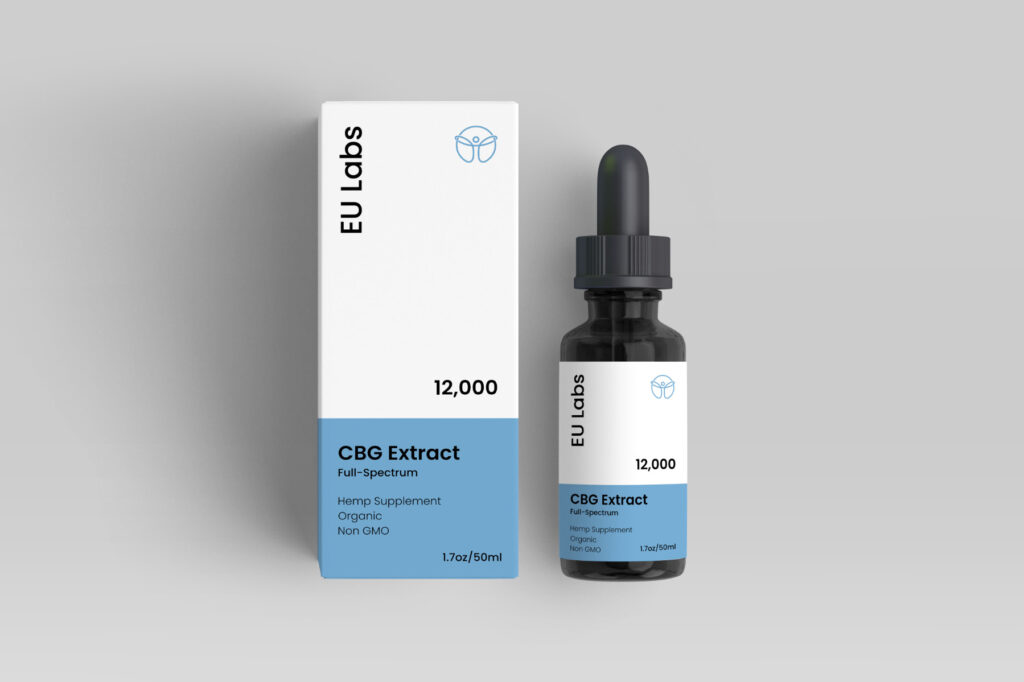
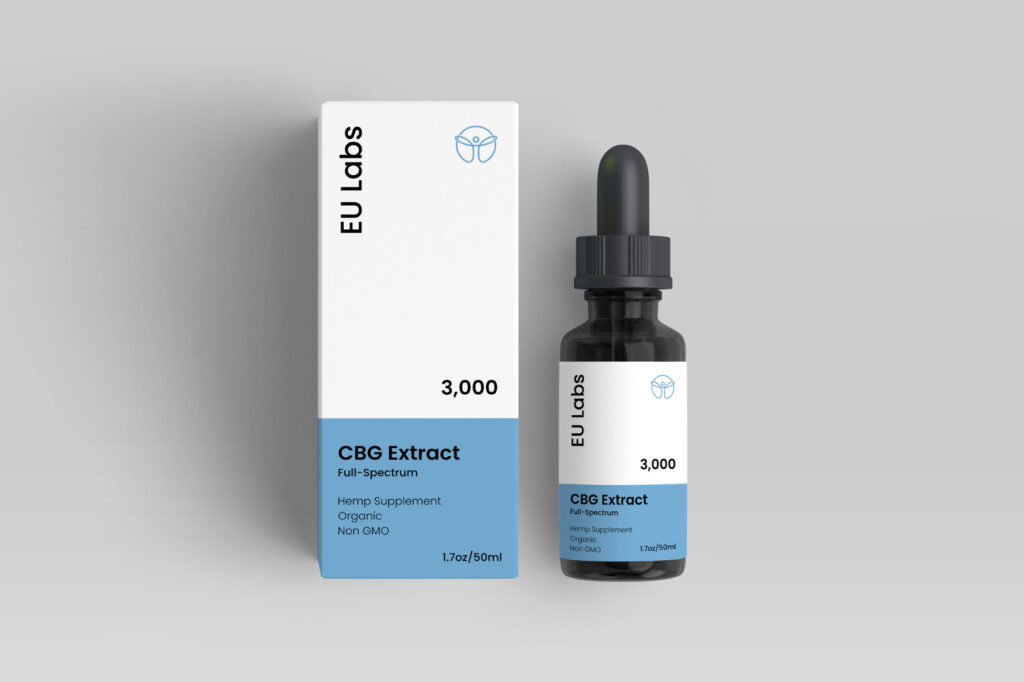
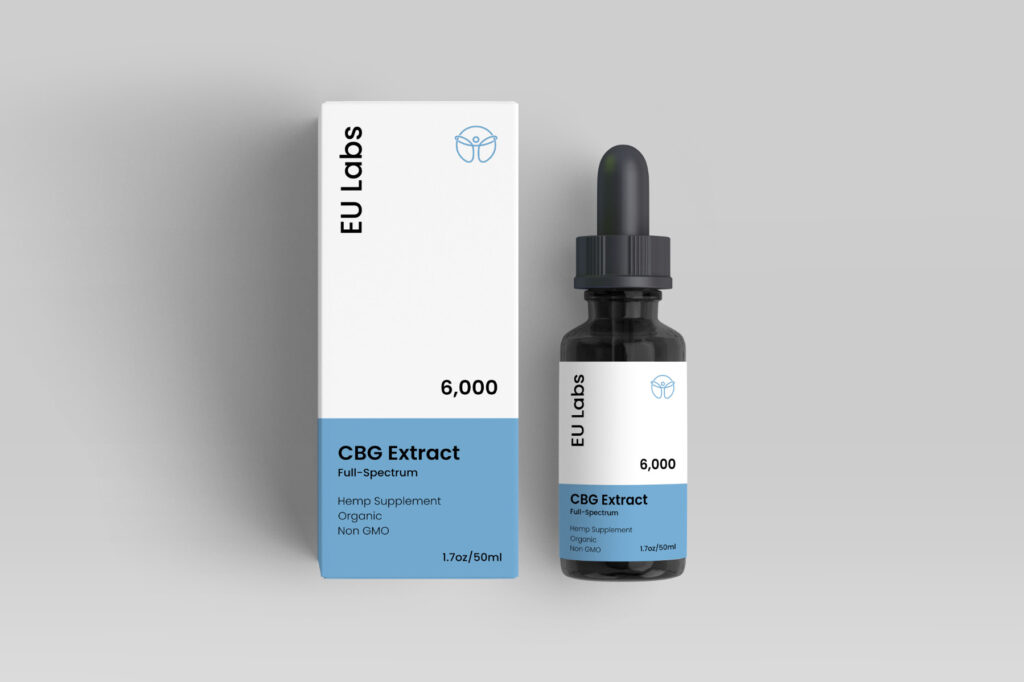
The CBG concentration in products varies significantly. Some oils contain 3000mg of cannabigerol per bottle, while others offer 6000mg or higher. Understanding how much CBG oil you need depends on your wellness goals and individual response. Higher concentrations provide more cannabigerol per drop, though this doesn't necessarily mean better results.
Side Effects of CBG and Safety Considerations
Current evidence suggests cannabigerol demonstrates favorable safety characteristics. However, understanding the side effects of CBG and potential interactions ensures responsible use. A 2025 safety review analyzing user reports from over 5,000 consumers found fewer than 8% experienced any adverse effects.
Common Side Effects and Experiences
Most users experience no adverse effects when they take CBG. When potential side effects occur, they typically remain mild and may include dry mouth, changes in appetite, mild fatigue, or digestive changes. The effects of CBG oil generally prove well-tolerated, with most side effects resolving as your body adapts.
Unlike THC and CBD in high doses, CBG rarely produces significant adverse effects. The favorable safety profile of CBG also extends to long-term use, with users reporting maintained benefits without developing tolerance or experiencing withdrawal when discontinuing use.
Medication Interactions and Precautions
Cannabigerol may interact with medications metabolized through liver enzyme systems, particularly those processed by cytochrome P450 enzymes. Individuals taking prescription medications should consult healthcare providers before adding CBG to their routines. This precaution applies whether you take CBD, CBG, or other cannabinoid products.
Pregnant and nursing individuals should avoid CBG products due to insufficient safety data. Children and adolescents should not use cannabigerol except under specific medical guidance from healthcare providers experienced with cannabinoid therapeutics.
CBG vs CBD: Which Cannabinoid Suits Your Needs
The question of CBG vs CBD for specific wellness goals requires understanding their complementary nature. While the difference between CBD proves significant in some aspects, both cannabinoids offer valuable properties for different applications.
When to Take CBD vs When to Take CBG
CBD may help primarily with stress response, sleep quality, and general wellness maintenance. Its extensive research history means we better understand the use of CBD for various applications. Conversely, CBG shows particular promise for inflammatory conditions, digestive support, and neuroprotection.
Many users discover that including CBD and CBG in their routines provides complementary benefits. Morning CBD use for daily support paired with evening CBG creates a comprehensive approach. Alternatively, full-spectrum products containing both cannabinoids offer convenient combined delivery.
Research Status: CBD Distillate vs CBG Studies
CBD benefits from decades of research and thousands of published studies, with CBD distillate widely available and well-characterized. Research on CBG, while accelerating rapidly, remains in earlier phases. This research gap doesn't diminish cannabigerol's potential—it simply reflects the compound's more recent emergence.
The coming years will likely produce substantial evidence clarifying optimal CBG applications. Current trends suggest CBD and CBG may serve complementary rather than competing roles in comprehensive wellness strategies.
The Future of CBG Research and Applications
Scientific and commercial interest in cannabigerol continues accelerating. Multiple human clinical trials launched in 2024 and 2025 investigate CBG for various conditions. Results from these trials, expected throughout 2025 and 2026, will provide crucial evidence establishing optimal applications.
Hemp breeding programs continue developing varieties with enhanced production. Recent cultivar releases feature concentrations exceeding 20%, making extraction more economically efficient. These agricultural advances should gradually reduce product costs, making premium CBG more accessible.
Regulatory frameworks continue evolving to accommodate expanding cannabinoid commerce. Clearer guidelines regarding testing standards and labeling requirements benefit consumers through more reliable products and accurate information about cannabigerol and other cannabis-derived compounds.
Your CBG Journey with Medimond
Cannabigerol represents an exciting addition to the natural wellness landscape. While research continues building our understanding, current evidence and user experiences suggest CBG holds meaningful potential for various wellness applications. The benefits of CBG appear particularly promising for inflammatory response, digestive wellness, and neuroprotection.
Success with cannabigerol requires thoughtful product selection, appropriate usage strategies, and realistic expectations. When you decide to take CBG oil, begin conservatively, maintain consistency, and give your body adequate time to respond. Consider working with healthcare providers familiar with cannabinoid therapeutics to optimize your approach.
At Medimond, our commitment extends beyond providing premium CBG products—we strive to empower our community with evidence-based information. As research advances, we'll continue delivering insights you need to make informed decisions about using CBG oil and other cannabinoid products.
Whether used independently or combined with CBD products, cannabigerol offers a unique profile that may complement your health journey. The mother of all cannabinoids deserves your consideration as you explore natural approaches to wellness.